October 13, 2026
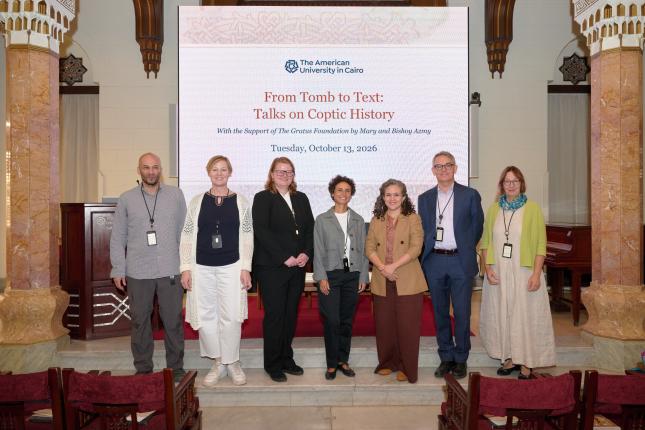
AUC Hosts International Coptic Studies Conference
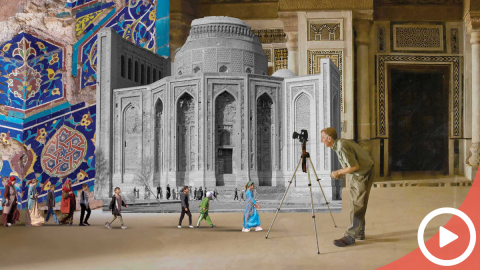
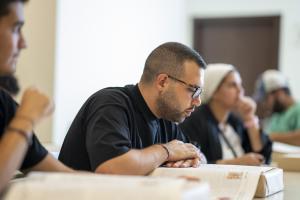
AUC hosted an international conference on Coptic archaeology that brought together leading scholars from Egypt, Europe and the United States.
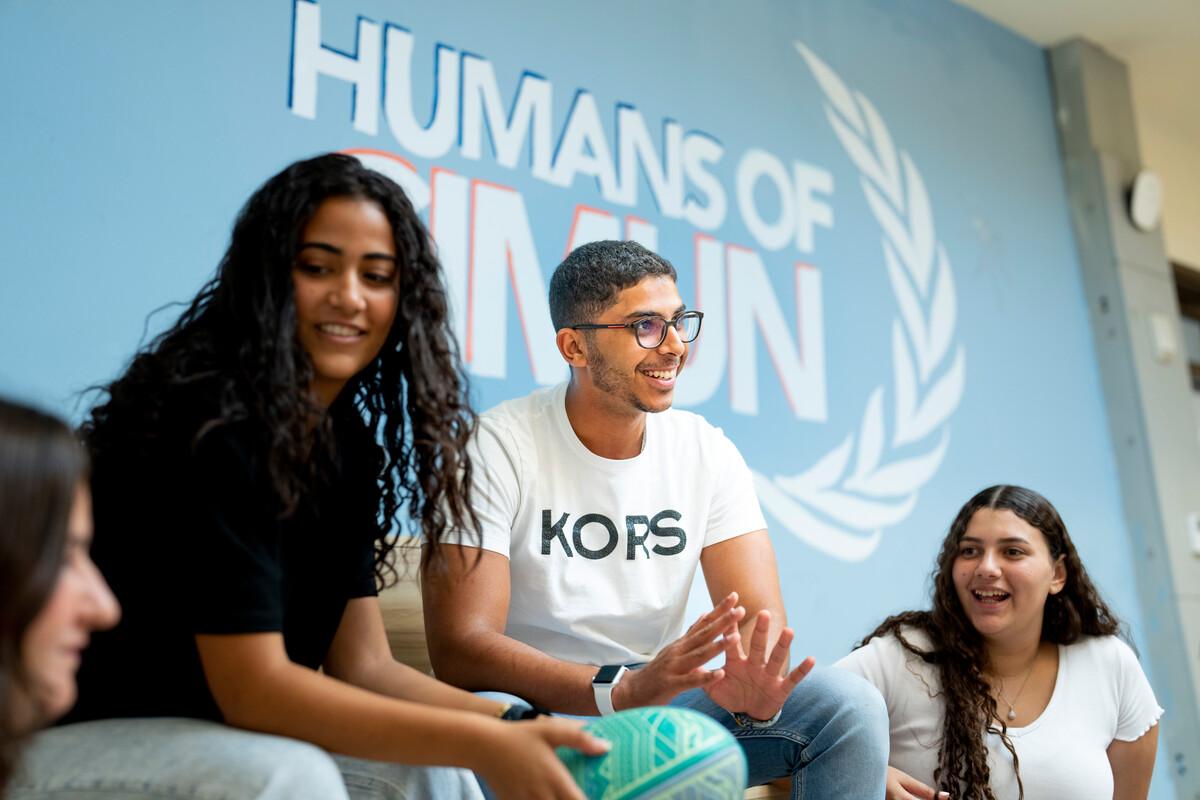
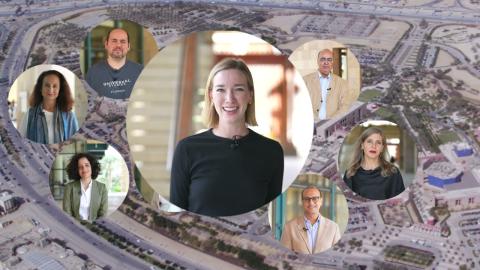
Dedicated to exploring the complexities of human behavior, history, culture, and society, HUSS brings together diverse disciplines, ranging from applied linguistics, visual arts, film, design, music, theatre, educational studies, english and comparative literature, psychology, sociology, anthropology, egyptology, history, philosophy, political science, and arab and islamic civilizations.
School of Humanities and Social Sciences presents an exciting opportunity for students to explore the depths of human understanding, challenge existing perspectives, and gain a comprehensive education. By embracing disciplines within this school, students can develop critical thinking skills, foster empathy, and embark on rewarding career paths that contribute to the betterment of society.
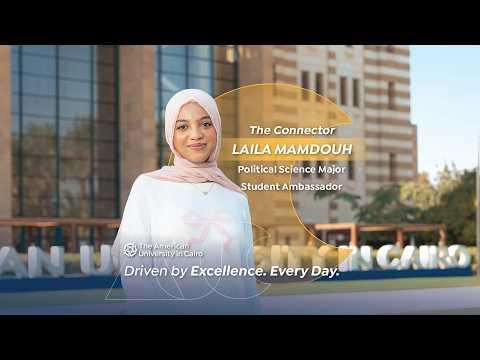
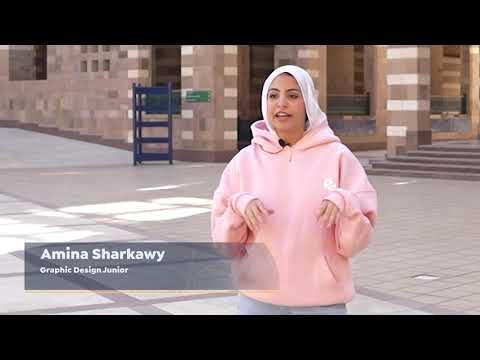
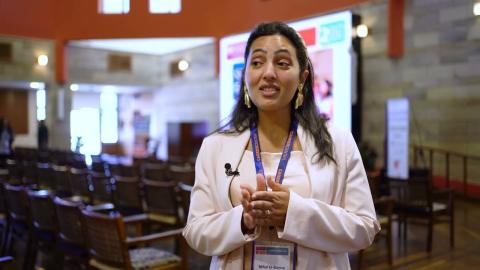
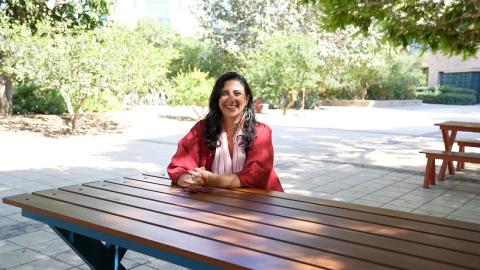

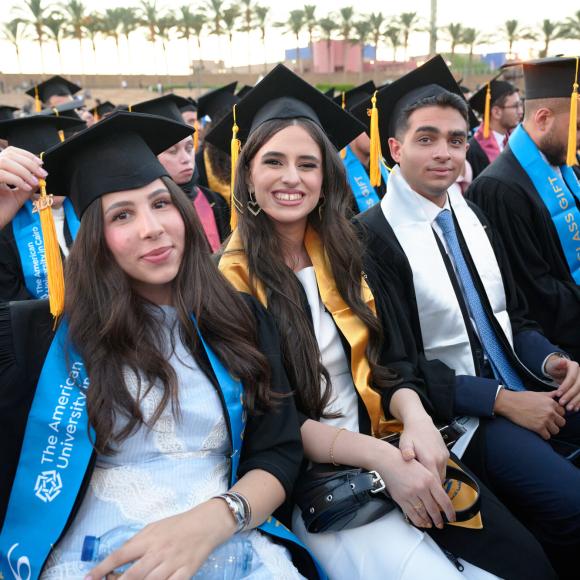

"Academically, AUC gave me a strong foundation in critical thinking; we were always encouraged to speak up and challenge theories as well as concepts."

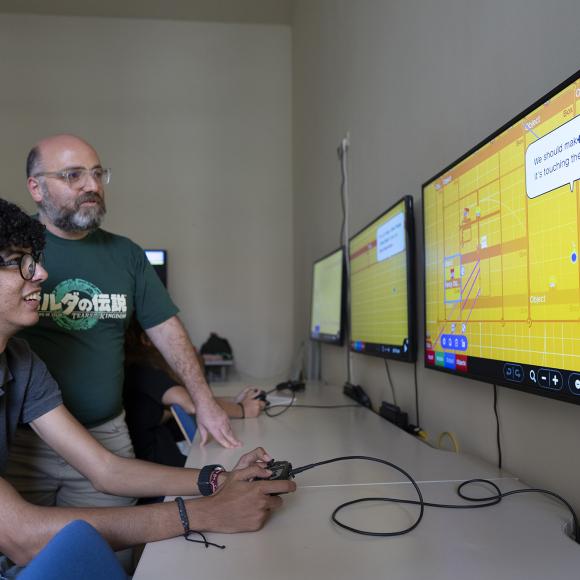
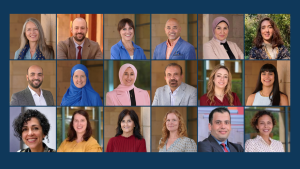
Faculty
Nationalities Represented By Faculty
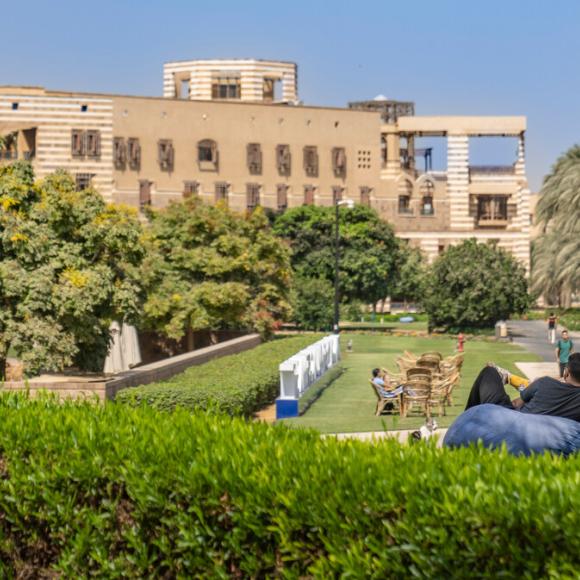
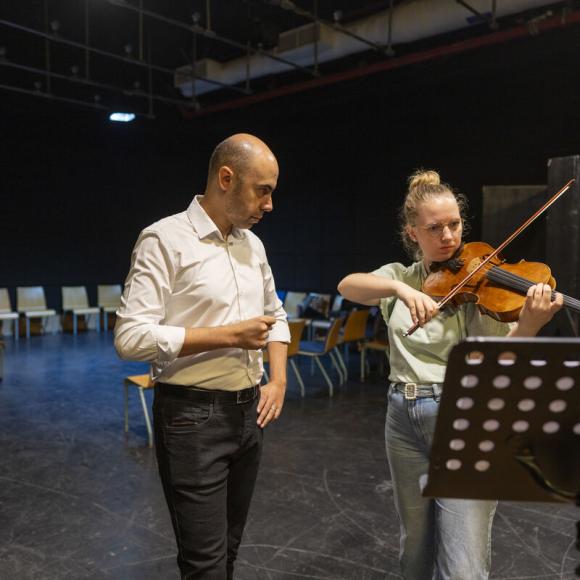
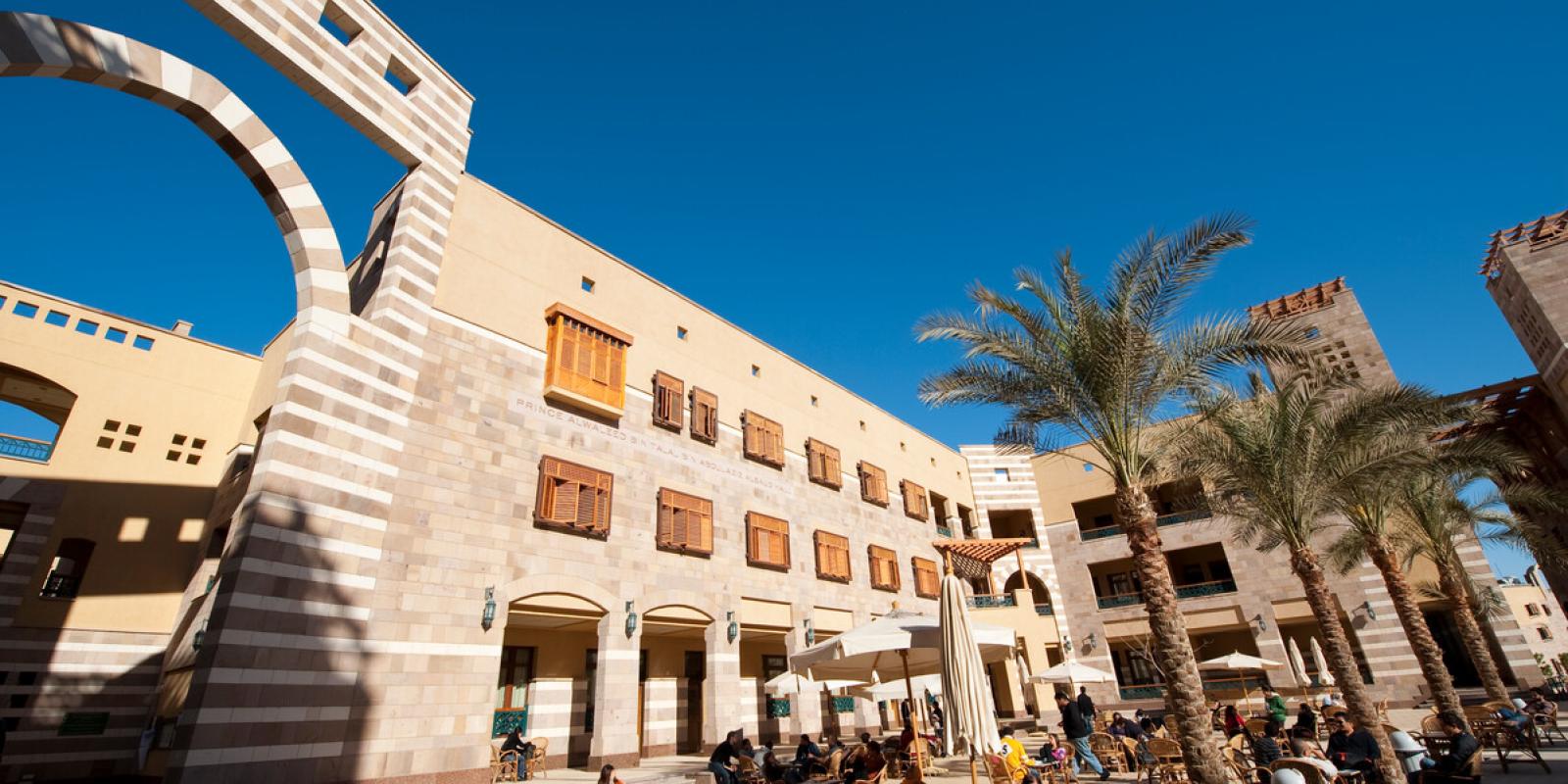
Studying at the School of Humanities and Social Sciences offers a transformative educational experience that delves deep into the intricacies of human behavior, culture, and society. Know more about HUSS unique learning experiences and discover your career path!
Alif is an international peer-reviewed interdisciplinary journal that appears annually in the spring and publishes critical scholarship in Arabic, English and French.
Cairo Papers in Social Science has been in existence since 1977 and became an e-journal in 2015. It is a monograph series that publishes material related to development in the Middle East and to issues and problems of concern to the region.
Intended to serve as a forum for learning and dialogue within the AUC community and beyond, Khamasin responds to a desire voiced by both students and faculty to encourage a community of exchange at the departmental and school levels and to reach out to a larger readership on contemporary issues of social and political importance.